A Step-by-Step Guide
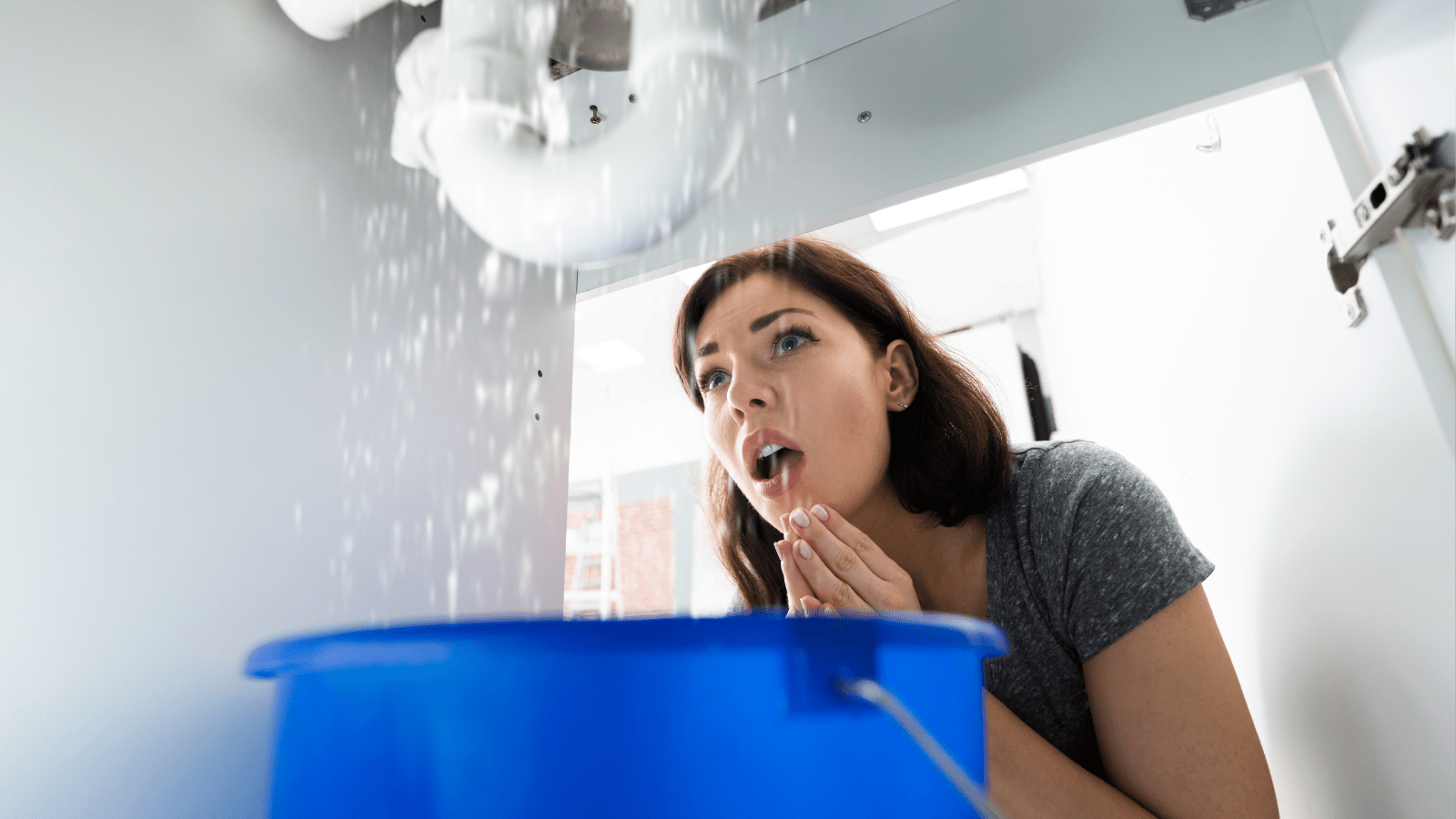
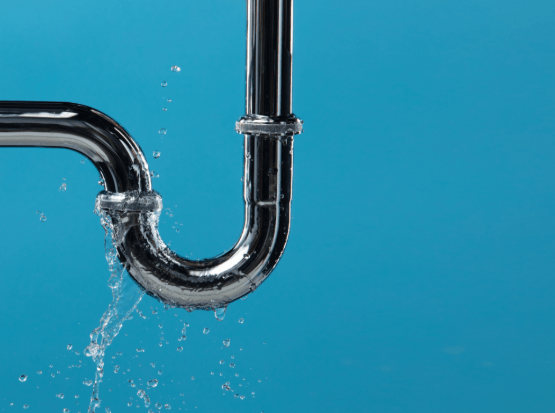
A plumbing emergency does not wait for a convenient moment. A pipe fails at midnight. A water heater floods the utility closet on a Saturday. A sewer line backs up the day before Thanksgiving. The decisions made in the first few minutes determine how much damage occurs – and most of the damage that results from a plumbing emergency is not caused by the initial failure but by the time between the failure and when the water is stopped and a licensed plumber is reached. This guide covers exactly what to do in those first minutes so that when an emergency happens, the steps are already familiar.
If you have a plumbing emergency right now, call 321-676-0812. Certified Plumbing of Brevard answers directly, any time of day, 24/7 including Saturdays at no extra charge. See our emergency plumbing services page for what our 24/7 response covers.
Step 1: Shut Off the Water Immediately
Know Where Your Shutoff Is Before You Need It
The single most important thing a Brevard County homeowner can do in the first seconds of a plumbing emergency is shut off the water. Every minute of continued water flow after a pipe fails or a major leak begins adds to the damage – and the difference between a manageable repair and a flooring, drywall, and mold remediation project is often measured in how quickly the water was stopped. There are three places to shut off water to a Brevard County home. The individual fixture shutoff is the first stop for an isolated problem – the valve behind the toilet, under the sink, or at the appliance connection. The main house shutoff is typically located near the water meter inside the home or in a utility area and stops water to the entire house. The street shutoff at the meter box is the backup when the house shutoff is inaccessible or not functioning. Every Brevard County homeowner should locate all three of these shutoff points before an emergency happens and confirm that the main house shutoff opens and closes completely.
Step 2: Assess the Situation and Address Electrical Risk
Once the water is off, take a moment to assess what you are dealing with before moving into the affected area. If water has reached electrical outlets, panels, appliances, or any wiring – do not enter the space. Water and electrical current create an electrocution risk that makes the plumbing damage secondary. If there is any question about electrical safety, stay out of the affected area and call both an electrician and a plumber before re-entering. If the water has not reached electrical components, assess the extent of the damage – how much water is present, what materials have been affected, and whether any structural elements like subfloor or wall cavities appear to have been reached. This assessment helps the plumber understand what they are walking into and helps you communicate the situation accurately when you call.
Step 3: Call a Licensed Plumber Immediately
Why Speed Matters More Than Most Homeowners Realize
A plumbing emergency that is left unaddressed – even for a few hours – causes significantly more damage than one that is addressed right away. Water moves into wall cavities, under flooring, and into subfloor material within minutes of a significant leak or pipe failure. Mold begins developing in wet building materials within 24 to 48 hours of water intrusion. The difference between a repair bill that covers the plumbing fix and one that also covers flooring replacement, drywall repair, and mold remediation is almost always a function of how quickly the water was contained and the repair was completed. Certified Plumbing of Brevard answers every call directly – no answering service, no callback queue – 24/7 including Saturdays at no extra charge. Call 321-676-0812 the moment the water is off.
Step 4: Document the Damage Before Cleanup Begins

Before moving anything, absorbing water, or beginning any cleanup, document the damage thoroughly with photos and video. Insurance claims for water damage require documentation of what was present before cleanup began – materials that are discarded or moved before being photographed may not be covered. Photograph the source of the failure, the extent of water spread, every affected surface and material, and any personal property that has been damaged. Do not discard any damaged materials until you have confirmed with your insurance carrier what documentation they require. Keep the photos accessible and organized by the date and time they were taken.
Common Plumbing Emergencies in Brevard County
The most common plumbing emergencies that Brevard County homeowners face include several that are specific to the local climate and housing stock. The situations that generate the most emergency calls to Certified Plumbing of Brevard include:
- Burst pipes from sudden cold snaps – Brevard County homes are not built for extended freezing temperatures, and pipes in uninsulated exterior walls or attic spaces are vulnerable when temperatures drop unexpectedly overnight
- Sewer line backups after heavy rain – heavy rainfall can overwhelm aging sewer infrastructure and cause sewage to back up into homes through floor drains, toilets, and lower-level fixtures
- Water heater failures flooding utility closets – a water heater that fails catastrophically can discharge its full tank volume into the surrounding space within minutes
- Slab leaks that surface suddenly – a slab leak that has been developing slowly may surface as a sudden wet spot, foundation shift, or unexplained spike in the water bill
Why 24/7 Availability Matters for Brevard County Homeowners
A plumbing emergency that happens on a Saturday night or a holiday morning needs the same response as one that happens on a Tuesday afternoon – and the damage accumulates at the same rate regardless of what day or time it is. Many plumbing companies in Brevard County use answering services after hours or charge significant premiums for weekend and holiday calls. Certified Plumbing of Brevard answers every call directly, 24 hours a day, 7 days a week including Saturdays, at no extra charge for after-hours or weekend response. When you call 321-676-0812, you reach Certified Plumbing directly – not a service that takes a message and passes it along. See our water heater services page and full residential services for what we handle on emergency and standard calls throughout Brevard County.
Conclusion
The steps that limit damage in a plumbing emergency are the same every time – shut off the water, assess for electrical risk, call a licensed plumber immediately, and document before cleanup. The homeowners who navigate plumbing emergencies with the least damage are the ones who know where their shutoffs are before the emergency happens and who call a licensed plumber the moment the water is stopped rather than waiting to see if the situation resolves. Certified Plumbing of Brevard has been serving Brevard County for over 33 years with annual maintenance and 24/7 emergency response that limits damage and gets homes back to normal. If you have a plumbing emergency right now, call 321-676-0812. We answer directly, any time of day, including Saturdays at no extra charge. See our contact page for all the ways to reach us.