A water heater doesn’t fail without warning. It gives you signs: rust-colored water, strange noises, rising energy bills, that something is wrong. Ignore them long enough, and you are not looking at a repair anymore. You are looking at a replacement, water damage, and a cold shower at the worst possible time.
Certified Plumbing of Brevard has been servicing water heaters throughout Palm Bay and Brevard County for over 33 years. Here are the seven warning signs we see most often and what they mean for your home.
Not sure if what you’re seeing is a warning sign or normal wear? Call us today or schedule a water heater inspection. We’ll give you a straight answer and a clear plan.
Your Water Heater Is More Than 10 Years Old
Age is the single most reliable predictor of water heater failure. A conventional tank water heater has an average lifespan of 8 to 12 years. If yours is pushing past that range, it may still be running, but it is living on borrowed time.
Not sure how old your unit is? Check the serial number on the label. Most manufacturers encode the manufacture date in the first few characters. You can also look up your specific brand’s serial number format online to decode it.
Even if an older unit is still producing hot water, its efficiency has likely declined significantly. Heating the same amount of water now costs more than it did when the unit was new, and a failure is probably not far off.
Rusty or Discolored Hot Water
If the hot water coming out of your taps looks brown, orange, or has a reddish tint, that is a strong sign that the inside of your water heater tank has begun to corrode. Rust-colored water is not just unpleasant; it means metal particles from the tank walls or pipes are entering your water supply.
Before assuming the worst, check whether the discoloration appears in cold water as well. If both hot and cold water are affected, the issue may be with your pipes rather than the water heater. But if only the hot water looks rusty, the tank itself is almost certainly the source.
A corroded tank cannot be repaired. Once rust takes hold, replacement is the only reliable fix.
Strange Noises Coming From the Tank
A certain amount of noise from a water heater, such as a soft hiss or a gentle rumble as the burner fires, is nothing to worry about. But loud popping, cracking, or banging sounds are a different story.
These noises are typically caused by sediment buildup at the bottom of the tank. Over time, minerals from your water supply settle and harden into a layer at the base of the tank. As the burner heats through this sediment layer, it creates those distinctive sounds.
Heavy sediment buildup forces your water heater to work harder, drives up your energy bills, and accelerates wear on the tank walls. Annual flushing can prevent this from developing, but if the sediment has been building for years, the damage may already be done.
Leaking Around the Base of the Unit
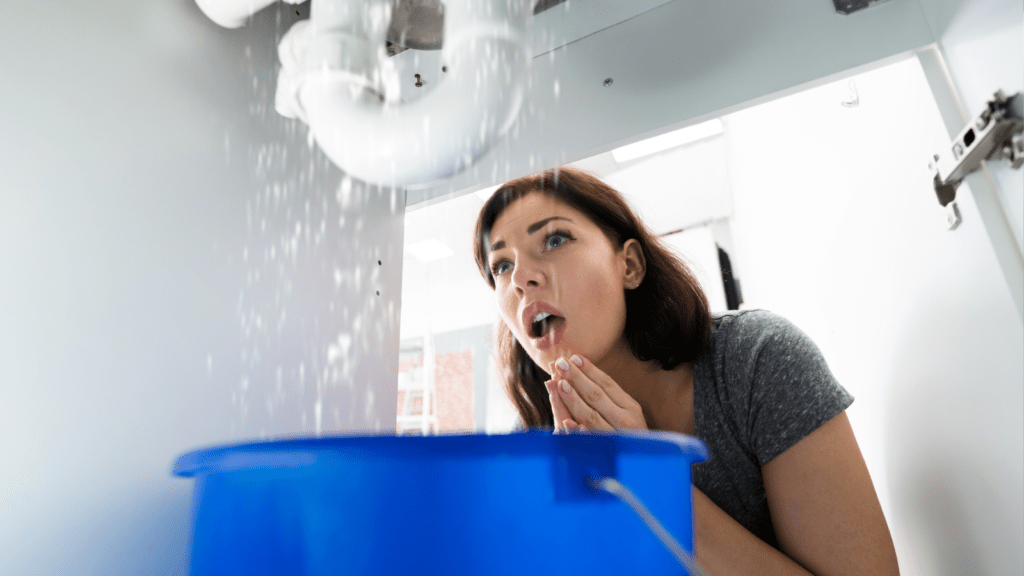
Any moisture or pooling water around the base of your water heater should be taken seriously. While a small amount of condensation is sometimes normal, an actual leak, even a slow drip, is a sign that something is wrong.
Leaks can come from the pressure relief valve, from fittings and connections, or from the tank itself. A tank leaking from its walls has structurally failed and needs to be replaced immediately. A leaking tank will only get worse, and a sudden failure can release a significant amount of water into your home.
If you notice moisture around your water heater, call a plumber right away. Do not wait to see if it resolves on its own.
Inconsistent or Insufficient Hot Water
If your family is running out of hot water faster than before, or if the temperature fluctuates unpredictably during a shower, your water heater may be struggling to keep up. This can be caused by a failing heating element (in electric units), a malfunctioning thermostat, or a tank that is simply too heavily sedimented to heat effectively.
Sometimes the issue is simply that your household’s hot water demands have grown a new family member, a new dishwasher, or a renovation that added a bathroom. In those cases, the right solution might be to upgrade to a larger tank or switch to a tankless system rather than replacing like-for-like.
Increasing Energy Bills Without Obvious Cause
As a water heater ages and accumulates sediment, it becomes progressively less efficient. The same amount of hot water requires more energy to produce because the heating element or burner has to work harder and run longer to do the job.
If your energy bills have been creeping up and you can not identify another reason, no new appliances, no change in usage habits, your water heater may be the culprit. A newer, high-efficiency unit can often pay for itself within a few years through energy savings alone.
Frequent Repairs
One repair every few years is normal for any appliance. But if your water heater seems to need attention every few months, a new thermostat here, a replaced element there, a faulty valve this year, you are spending money to keep an aging unit on life support.
The general rule is simple: if a repair costs more than half the price of a new unit, replacement is usually the smarter investment. And if you have had multiple repairs in a short period, the math almost always favors a new unit, regardless of individual repair costs.
How We Help You Move Forward
If you recognized one or more of these warning signs in your own water heater, the good news is that you caught it before a failure turned into an emergency. A planned replacement on your timeline is always better than an unplanned one in the middle of a cold morning.
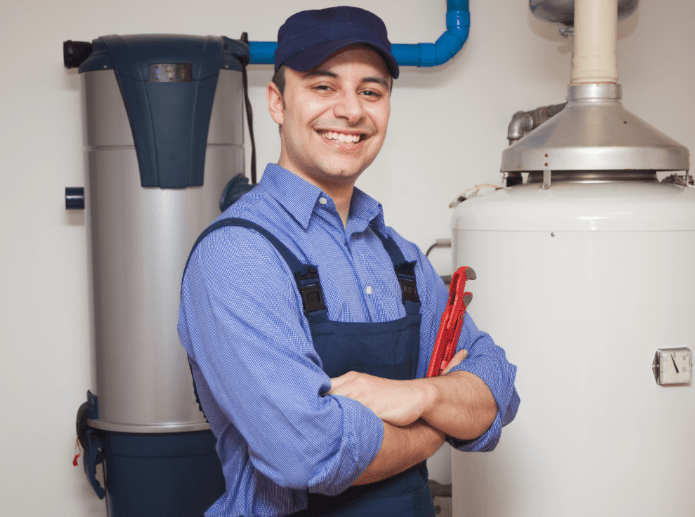
At Certified Plumbing of Brevard, we install conventional and tankless water heaters for homes and businesses throughout Brevard County. We will assess your current setup, talk through your options, and recommend the solution that best fits your household size, budget, and hot water needs.
Need a plumber you can count on anytime, day or night? Certified Plumbing of Brevard is available 24/7 to handle fast, reliable plumbing service throughout Palm Bay, Melbourne, Titusville, and all of Brevard County. Call 321-676-0812 now and get expert help when you need it most.
Frequently Asked Questions

How do I know how old my water heater is?
Check the serial number on the label attached to the unit. Most manufacturers encode the manufacture date into the first few characters of the serial number. The format varies by brand, but you can look up your specific brand’s decoding method online, or call us, and we can help.
Can a water heater be repaired instead of replaced?
In many cases, yes. A failing thermostat, a worn heating element, or a faulty pressure relief valve can often be repaired at a fraction of replacement cost. However, if the tank itself is corroding, leaking from the walls, or the unit is over 10 years old with recurring issues, replacement is usually the smarter long-term investment.
Is rusty water from my hot tap dangerous?
Rust-colored water indicates corrosion somewhere in the system, either in the water heater tank or in older pipes. While small amounts of rust are not acutely toxic, corroded water is not something you want to drink or bathe in regularly. It also signals that your tank is deteriorating and should be inspected right away.
How much does water heater replacement cost in Brevard County?
Costs vary depending on the type of unit, the size, and the complexity of the installation. A conventional tank replacement typically costs less than a tankless installation, which may require electrical or gas line upgrades. Call us for a free assessment, and we will give you a clear, honest quote before any work begins.
What is the difference between a conventional and a tankless water heater?
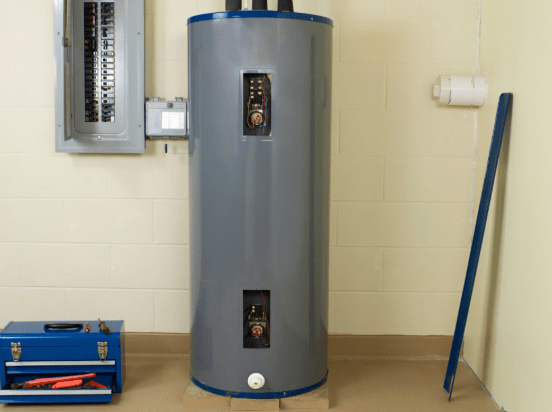
A conventional water heater stores and continuously heats water in a tank, typically 30 to 80 gallons. A tankless unit heats water on demand as it flows through, with no storage tank. Tankless systems are more energy-efficient and provide an unlimited supply of hot water, but they have a higher upfront cost.
How often should I flush my water heater?
Once a year is the standard recommendation for most homes. In areas with hard water, like much of Brevard County, sediment builds up faster, making annual flushing especially important. Skipping this step is one of the most common reasons water heaters fail prematurely.
Why is my water heater making popping or banging sounds?
Those sounds almost always indicate sediment buildup at the bottom of the tank. As the burner heats water through the hardened sediment layer, it creates distinctive popping or rumbling noises. An annual flush can prevent this, but if the buildup is already significant, a professional inspection is recommended.
What should I do if my water heater is leaking?
Shut off the cold water supply to the unit using the valve on the pipe entering the top of the tank, and call a plumber right away. If the leak is coming from the tank walls rather than a fitting or valve, the unit needs to be replaced, as a structurally failed tank cannot be repaired.
Does Certified Plumbing of Brevard handle water heater emergencies after hours?
Yes. We are available 24 hours a day, 7 days a week, including weekends and holidays. If your water heater fails overnight or over a holiday weekend, call our team and a real person will answer.
Is it worth switching to a tankless water heater when my current tank unit fails?
For many homeowners, yes, especially with a larger household, high simultaneous hot water demand, or interest in long-term energy savings. The right answer depends on your specific situation and budget. We are happy to walk you through the options and help you make the best decision for your household.
Do Not Wait for a Cold Shower to Find Out Your Water Heater Is Failing
Most water heater failures give you plenty of warning before they happen. If you recognized any of these signs in your own unit, the time to act is now, not after the tank ruptures on a Monday morning. Certified Plumbing of Brevard installs, repairs, and replaces conventional and tankless water heaters throughout Brevard County, and we will give you a straight answer on what your unit actually needs before anything is touched.
Give us a call today to schedule your water heater inspection. certpah.com · Available 24/7 · Serving Palm Bay and all of Brevard County