You scrub the shower. You run the dishwasher. You wipe down the faucets. And within days, the spots, the film, and the buildup are back. It is not your cleaning routine. It is your water.
Hard water affects the majority of homes in Brevard County, and most homeowners have no idea how much damage it is quietly causing to their pipes, water heater, and appliances.
Hard water does not get better on its own, and every month you wait is another month of buildup in your pipes and wear on your appliances. Call Certified Plumbing of Brevard at 321-676-0812 today and let us show you how simple the fix actually is.
Here is what you need to know and what actually fixes it.
What Is Hard Water, Exactly?
Water hardness refers to the concentration of dissolved minerals in your water supply, primarily calcium and magnesium, which are picked up as water moves through limestone and rock formations before reaching your home. These minerals are not harmful to drink, but they cause a range of problems as the water interacts with your plumbing, appliances, and household surfaces.
Water hardness is measured in grains per gallon (GPG) or parts per million (PPM). The U.S. Geological Survey classifies water as “moderately hard” at 3.5 to 7 GPG, “hard” at 7 to 10.5 GPG, and “very hard” above that. Brevard County’s water supply tends to fall in the moderately hard to hard range, depending on your specific location and water source.
What Hard Water Does to Your Home
Scale Buildup in Pipes and Fixtures
The most significant long-term effect of hard water is the gradual buildup of scale, a hard, mineral deposit on the interior surfaces of your pipes, water heater, and appliances. This happens slowly and invisibly, but over the years, it reduces the interior diameter of your pipes, restricting water flow and increasing pressure on the system.
Showerheads are often the first visible casualties. Those tiny holes get clogged with mineral deposits until the spray pattern becomes uneven or the head stops working entirely. The same process happens inside your pipes; you just can not see it.
Water Heater Efficiency and Lifespan
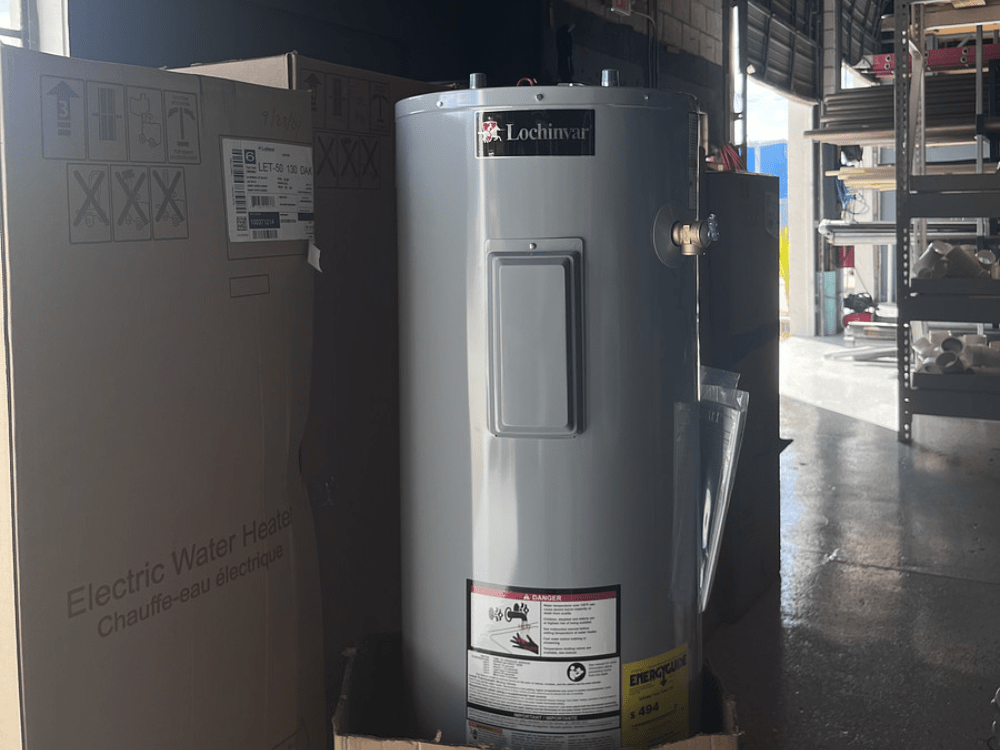
Hard water is especially hard on water heaters. As water sits and heats in a conventional tank, minerals precipitate out and settle at the bottom as sediment. Over time, this layer insulates the water from the heating element or burner, forcing the unit to run longer and use more energy to produce the same amount of hot water.
The Tankless water heaters are not immune either. Scale can build up on the heat exchanger, reducing efficiency and potentially causing damage if not regularly addressed through descaling maintenance.
Studies suggest that hard water can reduce water heater efficiency by 20 to 30 percent over time and can shorten the unit’s lifespan considerably.
Appliances and Dishwashers
Washing machines, dishwashers, and coffee makers all experience accelerated wear in hard water conditions. The mineral buildup affects heating elements, water inlet valves, and spray arms. You may also notice that your dishwasher is not getting dishes as clean as it used to; that is, the hard water is leaving its mark.
Skin, Hair, and Soap
Hard water reacts with soap to form soap scum rather than lather. This means you end up using more soap, shampoo, and detergent to get the same result. Many people notice that their skin feels dry or their hair feels flat after showering in hard water. The mineral film it leaves behind affects both.
The Most Effective Solution: Whole-Home Water Treatment
There are several approaches to managing hard water, ranging from fixture-level treatments to whole-home systems. For most homeowners in Brevard County, a whole-home solution is the most practical and cost-effective approach.
Traditional Water Softeners
A traditional salt-based water softener works through a process called ion exchange. Hard water passes through a resin bed that exchanges calcium and magnesium ions for sodium ions, effectively removing the hardness minerals from the water supply before they ever reach your pipes.
Water softeners are highly effective and have been the industry standard for decades. The trade-offs are that they require periodic salt refills, produce a small amount of brine wastewater during regeneration, and the softened water has a slightly elevated sodium content (typically not significant for most people, but worth considering for those on low-sodium diets).
Salt-Free Water Conditioners
Salt-free conditioners do not remove hardness minerals; instead, they use a process called template-assisted crystallization to change the structure of the minerals so they are less likely to adhere to pipe walls and surfaces. They require no salt, produce no wastewater, and are lower maintenance than traditional softeners.
Salt-free systems are a good option for homeowners who want the scale-prevention benefits without the sodium exchange, though they are generally considered slightly less effective than salt-based softeners in very hard water conditions.
Whole-Home Filtration Systems
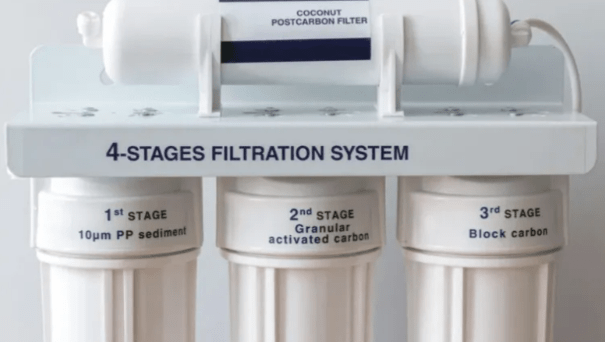
A whole-home water filtration system addresses not just hardness but a broader range of water quality concerns, including chlorine, sediment, and certain contaminants. For homeowners who are concerned about overall water quality in addition to hardness, a comprehensive filtration system may be the right choice.
The best system for your home depends on your specific water quality, household size, budget, and priorities. A water test is the right starting point; it tells you exactly what is in your water, so that any treatment solution is matched to your actual needs rather than general assumptions.
A Note on DIY Descaling Treatments
There are various descaling products on the market that promise to remove scale from showerheads, faucets, and appliances. These can be useful for surface-level fixtures, and white vinegar works reasonably well to unclog a showerhead. But they do nothing to remove the scale that has built up inside your pipes or water heater tank, and they need to be repeated regularly to maintain any effect.
If you are dealing with visible scale throughout your home, the problem goes deeper than a descaling spray can reach. That is the point at which a whole-home treatment system pays for itself relatively quickly in appliance longevity, energy savings, and quality of life.
Certified Plumbing of Brevard installs and services whole-home water filtration and softening systems throughout Brevard County. Call 321-676-0812 to schedule a water quality consultation.
Frequently Asked Questions
How do I know if I have hard water in my Brevard County home?
The most visible signs include white, chalky deposits on faucets, showerheads, and around drain openings; spots on dishes and glassware after the dishwasher runs; a film on shower walls and glass doors; and reduced lather from soap and shampoo. You can also have your water tested to confirm the hardness level.
Is hard water in Brevard County harmful to drink?
The minerals responsible for hard water, primarily calcium and magnesium, are not harmful to drink at typical concentrations. In fact, they contribute a small amount to your daily mineral intake. The concern with hard water is what it does to your plumbing, appliances, and fixtures over time, not its direct health effects.
How does hard water affect my water heater?
Hard water causes mineral sediment to settle and accumulate at the bottom of conventional water heater tanks, insulating the water from the heating element or burner. The unit has to work harder and run longer to reach the same temperature, driving up energy costs and accelerating wear. This can considerably shorten the lifespan of a water heater if not addressed through annual flushing.
What is the difference between a water softener and a water filtration system?
A water softener specifically targets hardness minerals, such as calcium and magnesium, using a process called ion exchange that replaces them with sodium. A water filtration system can address a broader range of water quality issues, including sediment, chlorine, and certain contaminants, but does not necessarily remove hardness minerals. Some whole-home systems combine both functions.
Do salt-free water conditioners really work?
Salt-free conditioners change the structure of hardness minerals so they are less likely to adhere to pipe walls and form scale, but they do not remove the minerals from the water entirely. They are a lower-maintenance option than traditional salt-based softeners and work well for many homeowners, though they are generally considered slightly less effective in very hard water conditions.
Will a water softener make my water taste salty?
A properly functioning water softener adds a very small amount of sodium to the water, typically not detectable by taste for most people. The exact amount depends on the water’s original hardness level. If you are on a sodium-restricted diet, a salt-free conditioner or a reverse osmosis system at the kitchen tap may be a better option.
How long does a whole-home water softener last?
A well-maintained water softener typically lasts 10 to 15 years. The key maintenance tasks are keeping the salt reservoir filled, cleaning the brine tank annually, and having the system inspected periodically. Some higher-end systems last even longer with consistent maintenance.
Can hard water damage my appliances?
Yes. Dishwashers, washing machines, and coffee makers all experience accelerated wear in hard water conditions. Heating elements, water inlet valves, and spray arms are particularly vulnerable to scale buildup. Homes with very hard water may find that appliances fail sooner than expected.
How do I remove hard water deposits from my showerhead and faucets?
Soaking in white vinegar is an effective and inexpensive solution for surface deposits on showerheads and faucet aerators. Remove the showerhead and submerge it in undiluted white vinegar for several hours or overnight, then scrub with a soft brush. This addresses visible scale on fixtures but does not treat the buildup inside your pipes or appliances.
How do I find out what is actually in my water?
Your local utility provider is required to publish an annual water quality report, which you can request or find on their website. For a more detailed or property-specific test, an independent water test can be arranged. At Certified Plumbing of Brevard, we can help you evaluate your water quality results and recommend the right treatment solution for your home.
Your Pipes Cannot Flush Out Years of Scale, But a Whole-Home System Can Stop It From Building
Hard water damage is cumulative. Every day without treatment is another day of mineral buildup in your pipes, sediment in your water heater, and wear on your appliances. Certified Plumbing of Brevard installs and services whole-home water softeners, salt-free conditioners, and filtration systems throughout Brevard County — and we start with a water quality consultation so the solution is matched to what is actually in your water.
Call us today to schedule your water quality consultation and find out exactly what your water is doing to your home. · Available 24/7 · Serving Palm Bay and all of Brevard County