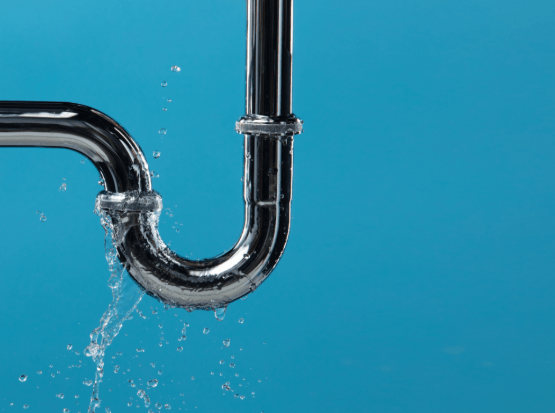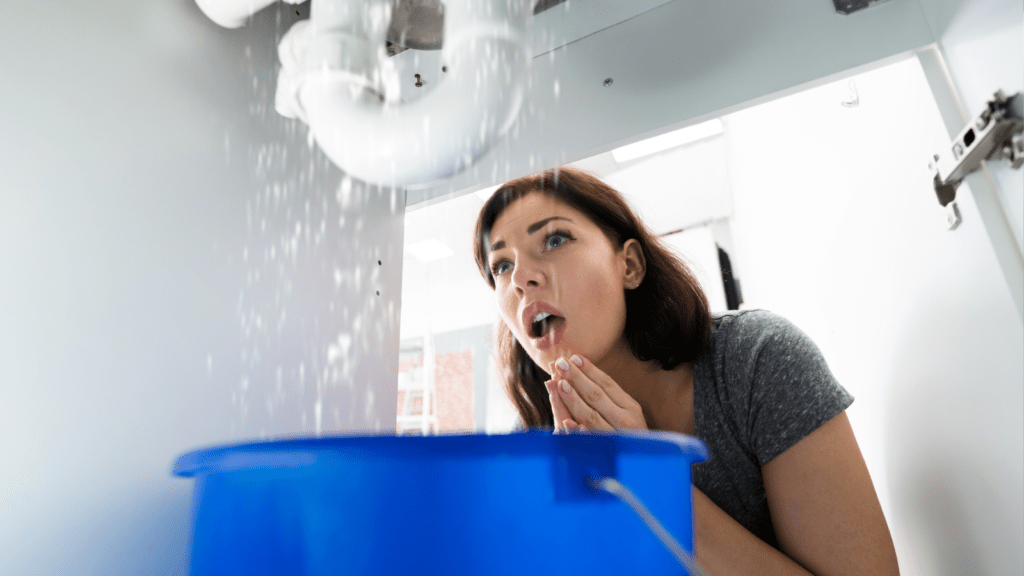
Drain clogs are rarely a surprise to your pipes. They are a surprise to you, but the pipes saw it coming for months.
Every blockage we clear at Certified Plumbing of Brevard tells the same story: the wrong things went down the drain, they accumulated, and eventually the system stopped working. Here is what those things are, why they cause so much damage, and what to do instead to keep your toilet and drains running the way they should.
If you are already noticing slow drains or recurring backups, that is your pipes telling you something. Call us at 321-676-0812 or schedule a drain cleaning. We will clear the blockage, identify the cause, and ensure it does not recur.
Down the Toilet: The Short List
The only things that should ever be flushed down a toilet are human waste and toilet paper. That is the complete list. Everything else, no matter what the packaging says, belongs in the trash.
Flushable Wipes
This is the big one. Despite what the label says, flushable wipes are not truly flushable in any meaningful sense. Unlike toilet paper, which dissolves in water within seconds, wipes hold together. They travel through your home’s pipes, accumulate at bends and connections, and create blockages. They also contribute to the massive “fatbergs,” clumps of wipes and grease that routinely clog municipal sewer systems across the country.
We regularly pull wipes from drain lines. No matter how convenient they are, they belong in the trash can, not the toilet.
Cotton Balls and Swabs
Cotton products do not break down in water. They travel through the pipes and catch on any rough spot, joint, or partial obstruction, and then other debris catches on them. Over time, a small accumulation becomes a full blockage.
Dental Floss
Dental floss is thin, so it seems like it should be harmless. But floss is essentially indestructible in a sewer line. It tangles around other debris, wraps around pipe joints, and creates a net that catches everything else that flows by. A few strands of floss can anchor a clog that takes a professional drain snake to break apart.
Feminine Hygiene Products
Tampons and pads are designed to absorb moisture and expand exactly the opposite of what you want in a drain line. They will block pipes, and they will not break down. This one is not negotiable.
Medications
This one is less about clogs and more about the water supply. Pharmaceuticals flushed down the toilet pass through the water treatment system and can end up in waterways. Many communities have medication take-back programs; use them.
Paper Towels and Tissues
It feels like they should be similar to toilet paper, but they are not. Paper towels and facial tissues are designed to stay intact when wet. They will not dissolve in your pipes. During the pandemic, we and plumbers everywhere saw a dramatic increase in paper towel-related clogs as toilet paper ran short. Stick to actual toilet paper.
Down the Kitchen Drain: The List Is Longer Than You Think
The kitchen sink takes more abuse than almost any other drain in the home. Here is what to keep out of it.
Grease, Oil, and Fat
This is the number one cause of kitchen drain clogs, and it is worth explaining why. When hot grease goes down the drain, it is a liquid. But as it moves through your pipes and cools, it solidifies and sticks to the pipe walls. Over time, layers build on layers until the pipe is significantly narrowed or completely blocked.
This does not just affect your home’s pipes. Grease accumulation in municipal sewer lines causes numerous sewer overflows nationwide every year.
The solution is simple: let the grease cool in a container, then throw it in the trash. A designated grease jar kept near the stove makes this easy.
Coffee Grounds
Coffee grounds feel fine and granular, but they do not dissolve in water. They accumulate in pipes and drains, mix with grease and soap residue, and form dense blockages. This is one of the most common things we find in clogged kitchen drain lines.
Eggshells
There is a persistent myth that eggshells help sharpen garbage disposal blades. They do not dispose of blades in the traditional sense. What eggshells do have is a thin membrane that wraps around disposal components and pipe joints, and the shell material itself grinds into a sand-like substance that accumulates in pipes.
Pasta, Rice, and Starchy Foods
Starchy foods expand when they absorb water. That pasta or rice that went down the drain does not stop expanding just because it left your bowl. It continues to swell in the pipe and is sticky enough to catch other debris, forming a solid mass.
Fruit Stickers
Small and easy to miss, produce stickers do not dissolve and will cling to the inside of pipes. They are also small enough to pass through water treatment filters and end up in waterways.
Flour and Similar Powders
Mix flour with water to make a paste. Mix paste with your drain pipes, and you get a buildup that is very difficult to remove without professional cleaning.
Down the Bathroom Sink and Tub
Hair
You cannot always prevent a little hair from going down the drain, but you can significantly reduce it with a drain strainer. Hair tangles into nets inside pipes, catches soap scum and other debris, and creates some of the most stubborn drain blockages we encounter. A hair catcher in every shower and tub drain costs a few dollars and takes seconds to clean, a worthwhile trade.
Toothpaste Caps and Small Plastic Items
Small plastic items that fall into the sink can enter the drain and lodge at a bend or joint, creating a foundation for future clogs. Make it a habit to plug the drain before anything that could fall in ends up there.
When the Damage Is Already Done
If you are reading this after a clog has already developed, do not reach for chemical drain cleaner. Harsh chemicals are corrosive, can damage pipes (especially older ones), and rarely resolve anything beyond a surface-level blockage. They also create a hazardous situation for any plumber who comes in afterward.
Professional drain cleaning, whether with a snake or hydro jetting, is safer for your pipes and more effective at removing the blockage rather than just punching a temporary hole in it.
If you have a slow drain or a clog that won’t budge, do not reach for the chemical cleaner. Call Certified Plumbing of Brevard at 321-676-0812, and we will send a licensed plumber to clear it properly, available 24/7 throughout Brevard County.
Frequently Asked Questions
Are ‘flushable’ wipes actually safe to flush?
No. Despite what the label says, flushable wipes do not break down in water the way toilet paper does. They hold their structure, accumulate in pipes and sewer lines, and are a leading cause of blockages in both residential drain lines and municipal sewer systems. They belong in the trash.
What is the best way to dispose of cooking grease?
Let it cool and solidify in a heat-safe container, an old coffee can or a glass jar works well, then throw it in the trash. Keeping a dedicated grease jar near the stove makes this habit easy to maintain. Never pour warm or hot grease down the drain, even a small amount.
Can coffee grounds go in the garbage disposal?
No. Coffee grounds feel fine and granular, but they do not dissolve in water. They accumulate inside pipes and drains, mix with grease and soap residue, and form dense blockages over time. Dispose of them in the trash or add them to a compost bin.
Is it safe to use chemical drain cleaners on a clog?
We recommend against it. Store-bought chemical drain cleaners are corrosive and can damage pipes, particularly older PVC and galvanized steel lines. They rarely resolve anything beyond a surface-level blockage, and they create a hazardous environment for any plumber working on the drain afterward. A professional drain cleaning is always a safer, more effective solution.
What household items are the most common causes of drain clogs?
In kitchen drains, grease, coffee grounds, and food particles are the top offenders. In bathroom drains, hair and soap scum are the primary culprits. In toilets: wipes marketed as flushable, cotton products, and feminine hygiene items are among the most common causes of serious blockages.
How can I prevent hair from clogging my shower drain?
Install a drain strainer or hair catcher in every shower and tub drain. They are inexpensive and highly effective. Clean the catcher after every shower. This single habit eliminates the majority of bathroom drain clogs.
Can pasta, rice, or bread clog my drain?
Yes. Starchy foods absorb water and expand, and they continue expanding even after going down the drain. They are also sticky enough to catch other debris, forming a dense mass inside the pipe. Keep starchy food scraps out of both the sink drain and the garbage disposal.
What can I safely put down a garbage disposal?
Small, soft food scraps are generally fine. Always run cold water before, during, and after use. Avoid fibrous vegetables like celery, starchy foods, grease, bones, fruit pits, eggshells, and large quantities of anything. When in doubt, put it in the trash.
Why should medications not be flushed down the toilet?
Pharmaceuticals flushed down the toilet pass through water treatment facilities, which are not designed to remove them, and can end up in waterways, where they affect aquatic life and potentially the broader water supply. Many communities have medication take-back programs. Check with your local pharmacy or county health department.
When should I call a plumber for a clogged drain?
If a plunger does not clear the clog after a few attempts, stop and call a professional. Aggressive plunging can push blockages deeper or damage older pipes. If multiple drains are slow or blocked at the same time, that signals a main sewer line issue that requires professional equipment to resolve.
A Slow Drain Today Is a Backed-Up Sewer Line Tomorrow
Most drain clogs do not happen overnight; they build quietly over months until the system stops working entirely. Whether the problem is grease in your kitchen drain, wipes in your toilet line, or hair in your shower, Certified Plumbing of Brevard has the equipment to clear it completely and the experience to make sure it does not come back.
Call us today before a slow drain becomes something worse · Available 24/7 · Serving Palm Bay and all of Brevard County