A leaking pipe, dripping faucet, or plumbing repair can leave homeowners wondering what to do first. If you don’t know where your water shutoff valve is or how to operate it, even a manageable plumbing issue can become stressful. Knowing how to stop the water supply helps you respond confidently, limit potential water damage, and prepare for repairs.
At Certified Plumbing of Brevard, we understand the value of informed homeowners, especially when issues compound, like locating an inaccessible shutoff or assessing a valve that won’t close. Learning the basics of water shutoff procedures gives you a practical starting point for handling plumbing concerns, whether you’re planning routine maintenance or facing an unexpected leak. With a little preparation, you can protect your home and recognize when you need professional assistance.
Know Where Your Water Shutoff Valve Is Before an Emergency
Your water shutoff valve controls the flow of water into your home or to an individual fixture. Finding the correct valve before a problem occurs makes it easier to act quickly when a pipe leaks or a plumbing component needs attention.
Locate the Main Valve and Individual Fixture Valves
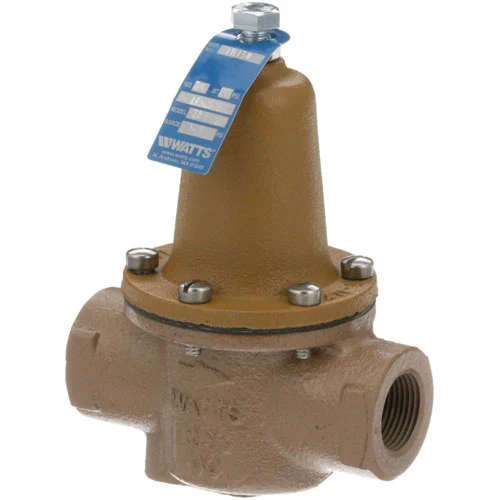
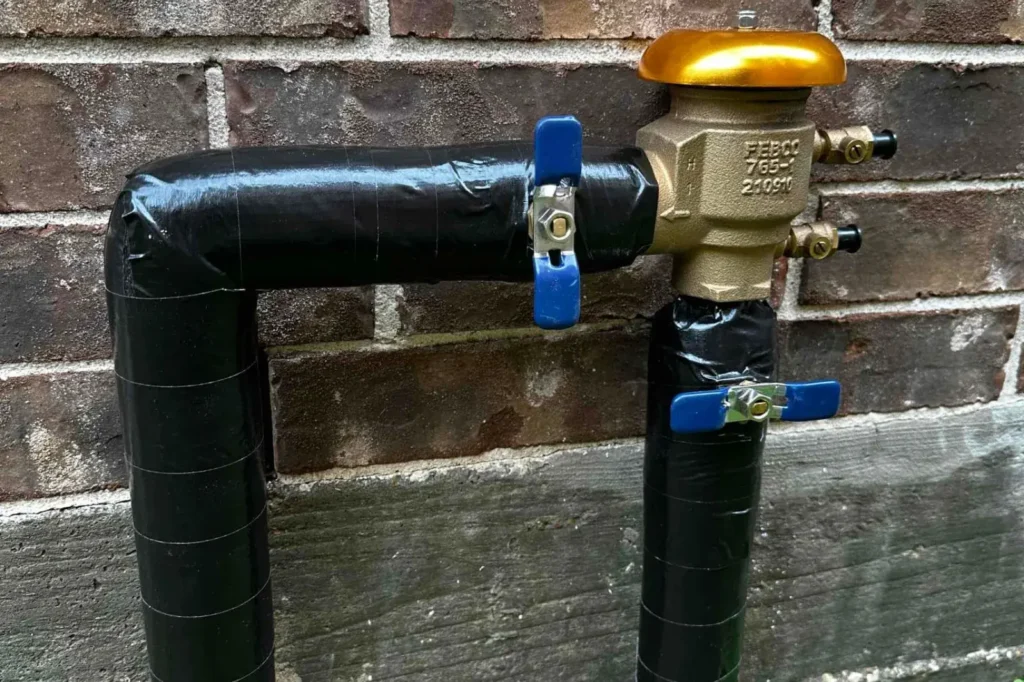
The main shutoff valve stops the incoming water supply to your home. Depending on your plumbing layout, you may find it near the point where the water line enters the house, inside a garage, or near your water meter. Certified Plumbing of Brevard’s guide on finding your water shutoff valve offers additional guidance on locating indoor and outdoor valves.
Individual fixtures may have their own shutoff valves. Look beneath sinks, behind toilets, and near other plumbing connections. These valves let you isolate a specific fixture without necessarily shutting off water to the entire house.
Take time to identify both types of valves. If you cannot locate the main valve or access it safely, contact a qualified plumber for assistance.
Follow the Right Steps When Shutting Off Your Water
Knowing where the valve sits is only part of the process. You also need to understand which valve to use, how to operate it, and what to do after the water stops.
Use These Steps to Control the Water Supply
When you need to stop water for a repair or respond to a leak, follow these basic precautions:
- Identify the problem: Determine whether the leak affects one fixture or appears to involve a larger section of your plumbing system
- Choose the appropriate valve: Use the fixture’s shutoff valve for an isolated problem when accessible, or the main valve if you need to stop water throughout the home
- Close the valve carefully: Turn a lever-style valve a quarter turn so the handle sits perpendicular to the pipe. For a round-handled valve, turn it clockwise gently until it closes
- Check the affected fixture: Open the relevant faucet to relieve remaining pressure and confirm that the water supply has stopped
- Prepare for the repair: Keep the area clear, protect nearby belongings, and contact a plumber if the problem requires professional attention
Never force a stuck, corroded, or damaged valve. Excessive force can worsen the problem or damage the plumbing connection. If water is near electrical outlets or appliances, stay clear of the hazard and seek appropriate emergency assistance.
Know When to Shut Off the Main Supply
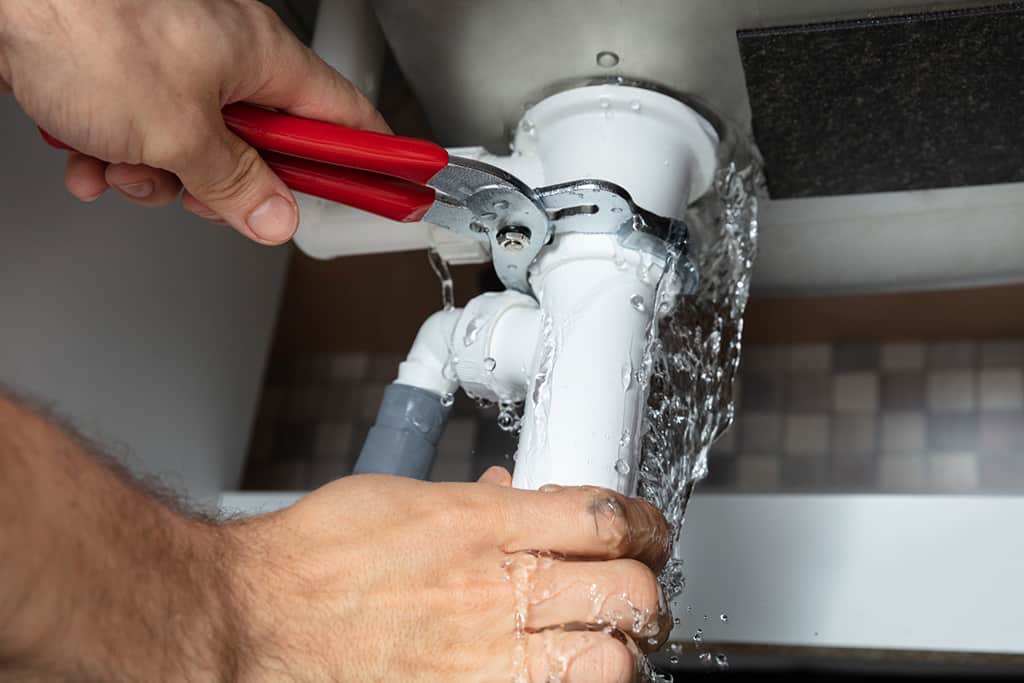
A small sink leak may only require closing the local fixture valve. A burst pipe, substantial leak, or unidentified water source may require shutting off the main supply if you can reach it safely. When you cannot stop the water or the valve fails to operate, seek professional help promptly.
Our residential plumbing services can help homeowners address plumbing concerns that extend beyond a simple shutoff. Certified Plumbing of Brevard can help homeowners assess and address leaking, stuck, or malfunctioning shutoff valves. We can also show you how and when to turn off and control the water supply. For urgent issues, our emergency plumbing services provide another resource when a plumbing problem needs prompt attention.
Make Water Shutoff Part of Your Plumbing Maintenance
You shouldn’t have to learn how your shutoff valve works during a plumbing emergency. Familiarity with your home’s plumbing system helps you make informed decisions and prepare for repairs before a problem escalates.
Check Your Valves and Keep Your Household Prepared
Include shutoff valve awareness in your regular plumbing maintenance routine. Locate the main valve, keep the area around it accessible, and learn how its handle works. If you notice corrosion, visible leakage, or difficulty turning the valve, arrange a professional assessment rather than forcing it.
You can take other practical steps to prevent plumbing problems:
- Make sure household members know where the main shutoff valve is located
- Keep the route to the valve clear of stored items
- Learn which local valves control sinks, toilets, and other fixtures
- Watch for unexplained moisture, dripping connections, and changes in water flow
- Ask a qualified plumber to inspect a valve that appears damaged or will not close completely
Our preventive maintenance services can help you address plumbing concerns before they develop into more disruptive issues.
Get Reliable Answers to Your Plumbing Questions
Understanding water shutoff procedures gives you a useful first step toward protecting your home, but not every plumbing issue calls for the same response. When you are unsure which valve to use, notice a malfunction, or need guidance before attempting a repair, professional advice can help you choose a safer course of action.
Certified Plumbing of Brevard serves homeowners throughout Brevard County with residential plumbing services, maintenance, repairs, and emergency assistance. We want you to have reliable information when making decisions about your home’s plumbing. Call us at 321-676-0812 to discuss your plumbing questions or arrange service. We are here to help you understand your options and determine the right next step.
Frequently Asked Questions About Water Shutoff
Where Is the Main Water Shutoff Valve Usually Located?
It may sit near the point where the water line enters your home, in a garage, or near the water meter. The exact location depends on your property’s plumbing layout.
Should I Shut Off the Main Water Supply for a Dripping Faucet?
Not necessarily. If the faucet has an accessible, functioning local shutoff valve, you may be able to stop the water there. Use the main valve if needed and safe.
How Do I Turn Off a Lever-Style Shutoff Valve?
A quarter turn typically closes this type of valve. The handle generally sits perpendicular to the pipe when closed.
Which Direction Closes a Round-Handled Valve?
Turn it clockwise gently until it closes. Do not force it if the handle resists movement.
What Should I Do If My Shutoff Valve Will Not Turn?
Do not apply excessive force. Contact a qualified plumber to assess the valve and determine how to stop the water safely.
Should I Open a Faucet After Shutting Off the Main Valve?
Opening a faucet can release remaining pressure in the affected plumbing lines and help you check whether the supply has stopped. Some water may continue to drain briefly.
Can I Replace a Shutoff Valve Myself?
The appropriate approach depends on the valve, plumbing configuration, and your experience. If you are unsure how to isolate the supply or complete the repair safely, consult a qualified plumber.
How Often Should I Check My Shutoff Valve?
Include it in your routine plumbing checks and arrange an inspection if you notice corrosion, leakage, or resistance. Ask a plumber how to test your specific valve without risking damage.
Who Should I Call If I Cannot Stop a Plumbing Leak?
Contact a qualified plumber promptly. Certified Plumbing of Brevard offers emergency plumbing assistance throughout Brevard County. Call 321-676-0812 for guidance and service.