When a hurricane approaches, homeowners often focus on securing windows, gathering supplies, and preparing for power outages. Plumbing deserves the same attention. Heavy rainfall, flooding, and storm-related damage can affect pipes, drains, sewer lines, and the safety of your water supply. If you overlook warning signs before the storm arrives, a minor plumbing issue can become a disruptive problem when conditions make repairs harder. Certified Plumbing of Brevard helps you review and prepare for storm considerations so that you can avoid plumbing disasters.
Preparing your plumbing system before hurricane season gives you time to identify vulnerabilities, address developing issues, and understand what to do if something goes wrong. These precautions help you spot damage, avoid unnecessary risks, and prioritize repairs. Certified Plumbing of Brevard can help you maintain and replace your faucets before a storm, so you can stay prepared and maintain steady access to water. A practical plan can help you protect your property and make more informed decisions before, during, and after severe weather.
Understand How Hurricanes Can Affect Your Plumbing
Hurricanes place pressure on more than a home’s exterior. Heavy rain and rising floodwater can overwhelm drainage systems, while shifting ground and flying debris may damage exposed plumbing components. Existing leaks, restricted drains, and weakened connections can make these conditions harder to manage.
Recognize the Plumbing Problems That Storms Can Cause
Storm conditions can contribute to several plumbing concerns, including:
- Sewer backups that affect toilets, floor drains, and other fixtures
- Leaks or damaged pipes that allow water to enter your home
- Blocked drains that struggle to handle heavy rainfall
- Floodwater intrusion that creates potential contamination concerns
- Water heater or plumbing equipment damage following flooding
Our residential plumbing services address a range of plumbing concerns, including storm-related issues. Understanding the risks helps you spot problems early and decide when professional help makes sense.
Prepare Your Plumbing System Before Hurricane Season
Waiting until a hurricane warning arrives can leave little time to arrange inspections or repairs. Make plumbing preparation part of your seasonal planning so you can address existing concerns before severe weather puts additional pressure on your system.
Schedule Inspections and Address Existing Problems
Plumbing maintenance helps you identify issues that may otherwise go unnoticed until a storm exposes them. Check for dripping connections, slow drains, unusual pipe noises, and unexplained moisture around plumbing fixtures. If you notice a problem, arrange an assessment rather than assuming it will resolve itself.
A professional inspection can help evaluate your plumbing system and identify areas that need attention. Our preventative maintenance services offer a starting point for addressing developing problems before they disrupt your household.
Check Drains, Sewer Lines, and Shutoff Valves
Drains and sewer lines deserve particular attention before periods of heavy rain. If toilets gurgle, multiple drains run slowly, or sewage odors appear, contact a plumber to investigate the cause. Our plumbing camera inspection service can help identify concerns inside sewer and drain lines.
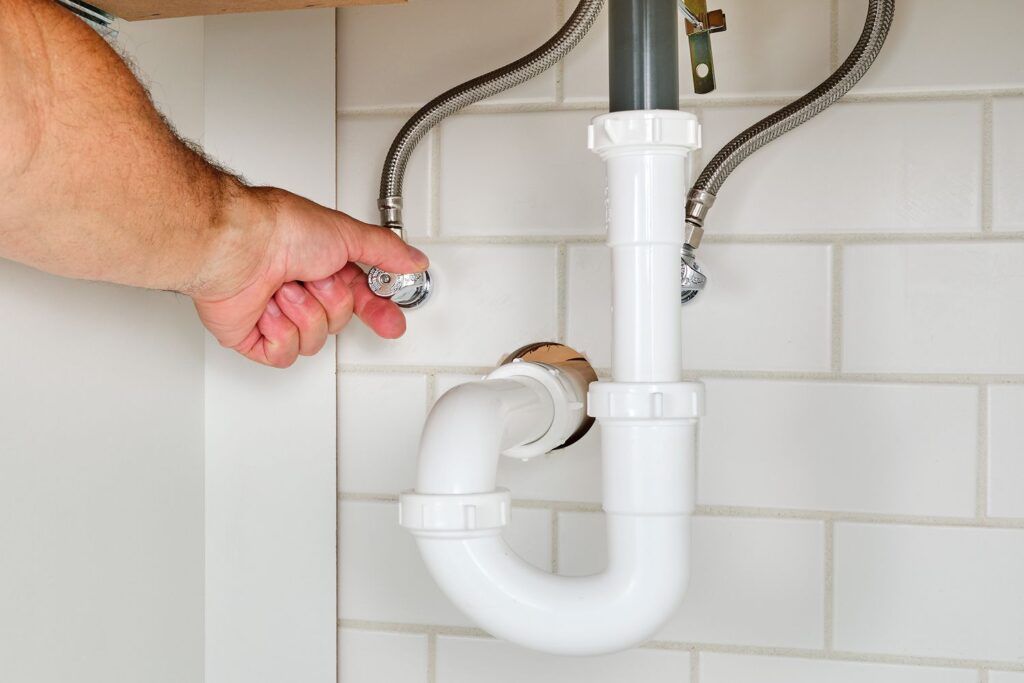
You should also locate your main water shutoff valve before an emergency. Learn how to operate it safely, keep the area around it accessible, and ask a plumber to assess it if it sticks or shows signs of damage. Knowing how to stop the water supply can help you respond more effectively if a pipe breaks.
Protect Your Home When a Hurricane Approaches
Once a storm enters the forecast, focus on practical precautions that fit your property’s needs and the instructions issued by local emergency officials. Avoid risky plumbing work when dangerous weather begins, and never delay evacuation or other safety measures to protect household equipment.
Follow a Clear Pre-Storm Checklist
Before conditions deteriorate, take these steps when it is safe to do so:
- Check visible pipes and plumbing connections for leaks
- Clear accessible household drains of ordinary debris without using unsafe methods
- Make sure you can reach the main water shutoff valve
- Secure outdoor items that could strike exposed plumbing during strong winds
- Follow local guidance about water safety, evacuation, and utility interruptions
- Keep Certified Plumbing of Brevard’s contact information available in case you need service
If you expect to leave your home, ask a qualified plumber whether shutting off the main water supply makes sense for your plumbing setup. Do not operate damaged valves or enter floodwater to reach plumbing equipment.
Inspect Your Plumbing Carefully After the Storm
Returning home after a hurricane does not always mean your plumbing system is ready to use. Flooding, debris, and hidden leaks can create problems that are not immediately visible. A careful assessment helps you spot warning signs before you resume normal water use.
Watch for Leaks, Backups, and Water Safety Concerns
Look for damp spots, standing water, damaged exposed pipes, unusual odors, and changes in water pressure. If sewage backs up into your home or floodwater enters plumbing fixtures, avoid contact with the contaminated water and arrange professional assistance. Do not assume tap water is safe to drink if authorities issue a boil-water notice or other water safety advisory.
If flooding reaches a water heater or other plumbing equipment, do not operate potentially damaged equipment until a qualified professional evaluates it. Our emergency plumbing services provide a resource for urgent plumbing problems that require prompt attention.
These precautions help you identify damage, avoid unnecessary risks, and decide which repairs need priority.