Does Florida Need Pipe Insulation? What Brevard County Homeowners Should Know
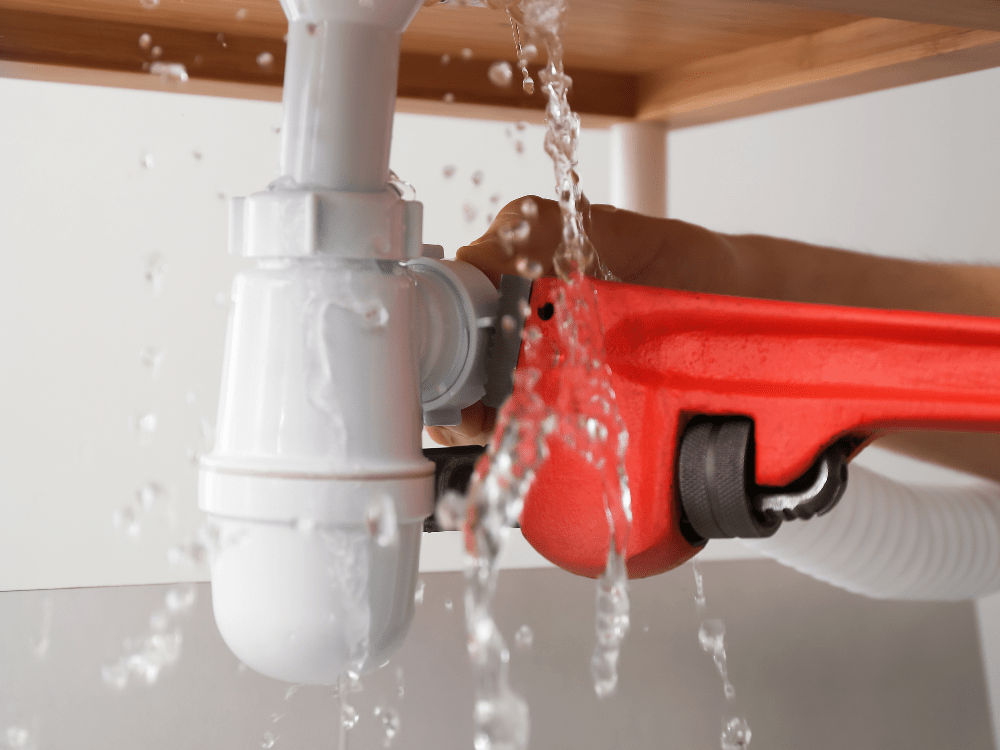
Most Brevard County homeowners spend zero time thinking about pipe insulation. Florida is warm, winters are mild, and frozen pipes feel like a problem for people in Minnesota. That assumption holds up fine until January sends overnight temperatures into the low 30s and a homeowner with exposed pipes under their home wakes up to a burst line and water running where it should not be. Florida does not have long winters, but it has enough cold to cause real pipe damage, and the homeowners who get caught are the ones who assumed it could not happen here.
The good news is that protecting vulnerable pipes in a Brevard County home is straightforward and inexpensive when done before a cold event rather than after one. Here is what you need to know before this winter’s cold snaps arrive. Not sure whether your home’s exposed pipes are protected before winter? Certified Plumbing serves Palm Bay, Melbourne, and all of Brevard County. Call today to schedule a pipe inspection or contact us online.
Why Florida Homes Are Actually Vulnerable to Pipe Damage in Winter
Brevard County Does Get Cold Enough to Cause Damage
Florida’s cold snaps are brief, but brief does not mean harmless. Brevard County experiences overnight temperatures in the low 30s and occasionally below freezing during January and February, which are enough to freeze water in exposed or poorly protected pipe runs. The damage from a Florida freeze event is often worse than damage from a sustained northern winter because Florida homeowners have not prepared for it, Florida homes are built with far less thermal protection around pipe runs than northern construction requires, and the rapid temperature drop and recovery cycle that Florida produces stresses older pipe joints in ways that sustained cold does not.
Florida Homes Are Built Without the Pipe Protection Northern Homes Have
A home built in Minnesota has insulated walls, heated crawl spaces, and pipe runs designed to remain within the conditioned envelope. A Palm Bay home built in the 1980s has pipes running through garages, under floors in unconditioned spaces, and along exterior walls with minimal protection because the builder never anticipated the need. When a freeze event arrives, those pipe runs are fully exposed to ambient temperatures in a way that northern homes never are.
Which Pipes Are Most Vulnerable in Brevard County Homes
The Locations That Create the Highest Risk
Not every pipe in a Brevard County home carries the same freeze risk. The most vulnerable locations are:
- Exposed outdoor pipes including hose bib supply lines and irrigation connections
- Pipes running through garages, carports, and other unheated attached structures
- Pipes in unconditioned crawl spaces beneath older homes
- Supply lines along exterior walls with no insulation between the pipe and the outside temperature
- Water heater connections in outdoor utility closets or unheated spaces
Older Homes Carry More Risk Than Newer Construction
Homes built before 1990 in Palm Bay and Melbourne are more likely to have pipe runs in vulnerable locations that were never updated because the original builder did not anticipate the need for updates. These homes also often have older pipe materials, including galvanized steel, that have been progressively weakened by corrosion over decades, meaning the pipe that might survive a freeze event in good condition can fail more easily when it is already compromised. If your home is older and you have never had a plumber assess the vulnerable pipe runs, the inspection is worth scheduling before winter. Our residential plumbing services include pre-winter pipe assessments throughout Brevard County.
What Pipe Insulation Actually Involves
The Options and What Each Is For
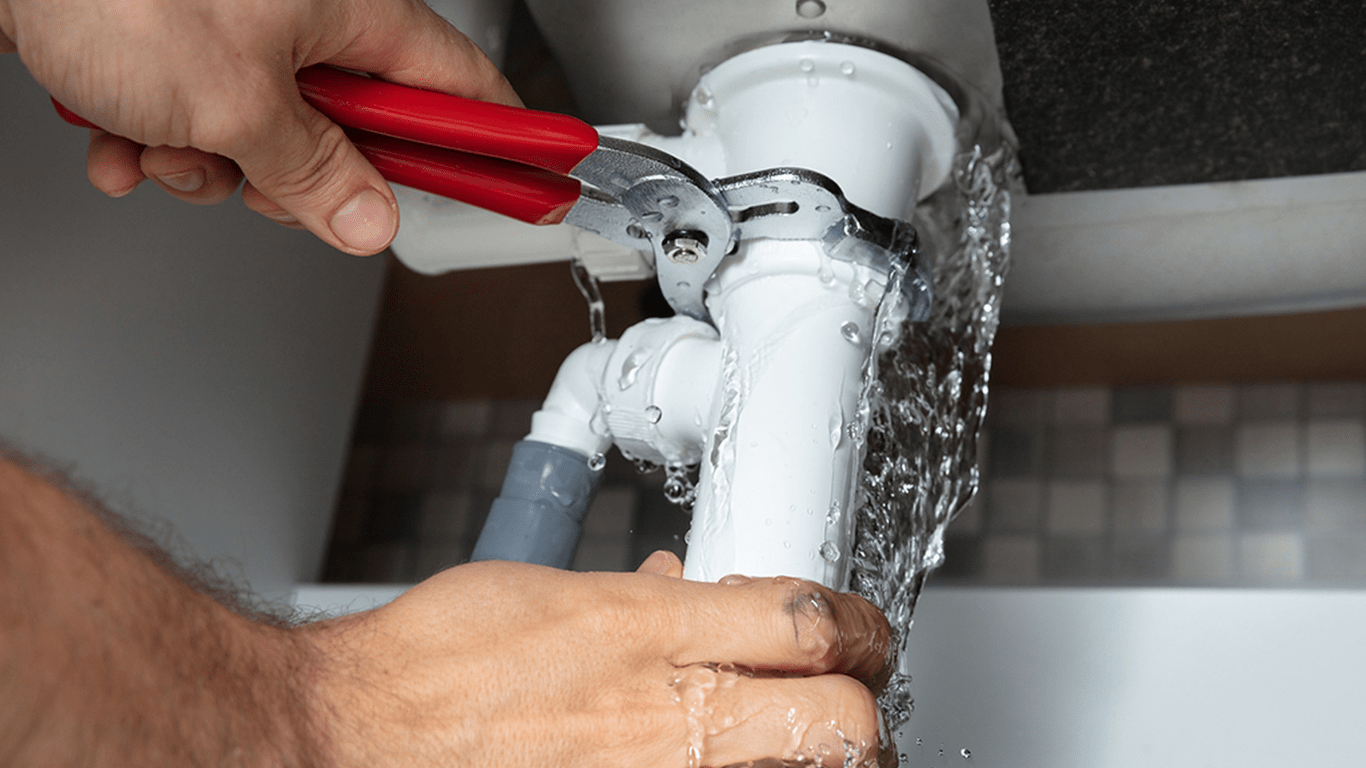
Protecting vulnerable pipes in a Florida home does not require a major project. The three primary approaches cover most situations:
- Foam sleeve insulation installed on exposed pipe runs in garages, crawl spaces, and along exterior walls — inexpensive and effective for most Florida freeze risk situations
- Heat tape or heat cable wrapped around particularly vulnerable pipe sections and plugged into an electrical outlet — provides active warming during a freeze event for pipes that foam alone may not protect sufficiently
- Knowing where your main water shutoff is located and being prepared to shut it off quickly if a freeze event is forecast and you are concerned about a vulnerable pipe run
The Real Risk Is the Rapid Temperature Cycle, Not Sustained Cold
Florida’s freeze events typically involve temperatures dropping quickly overnight and recovering rapidly the next day. That rapid expansion and contraction cycle is particularly hard on older pipe joints and connections that have been stressed by years of Florida’s hard water and mineral buildup. A pipe that holds up through sustained cold can fail at a joint during a rapid thaw because the repeated stress opens a connection that corrosion had already weakened. Addressing vulnerable pipe runs before winter is not just about preventing freeze damage but about reducing the stress on older connections that a cold snap will expose. Our slab leak services frequently follow cold winter events, when this kind of joint failure occurs beneath a foundation.
Conclusion
Pipe insulation is not a northern states-only concern. Brevard County homeowners with exposed pipe runs in garages, crawl spaces, and along exterior walls face real risk during January and February cold snaps, particularly in older homes where pipe runs were never protected and where decades of hard water have weakened connections that a freeze cycle will stress. Foam sleeve insulation, heat tape on the most vulnerable sections, and knowing where your shutoff valve is located are the basics that protect a Florida home before winter arrives. If you are not sure whether your home’s vulnerable pipes are covered, a quick inspection is worth the call. Contact Certified Plumbing today, visit our residential plumbing services page, or reach us through our contact page.