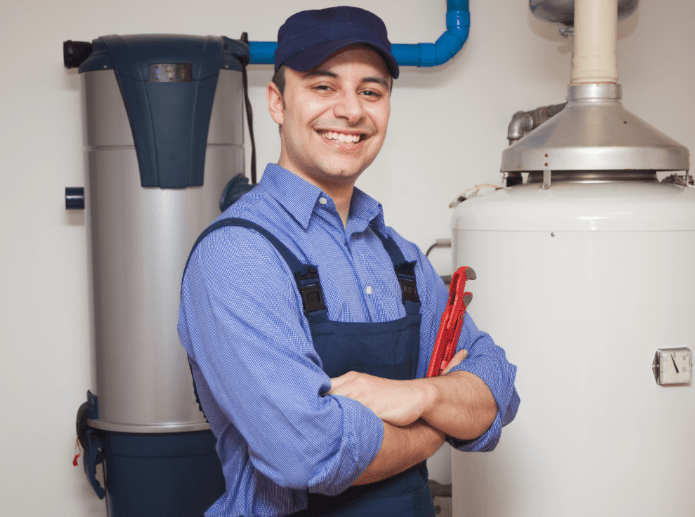
Florida homeowners work hard to keep their homes in good shape, but pipe corrosion can silently jeopardize even well-maintained plumbing. Without early awareness, small issues may grow into major plumbing problems.
Homeowners who recognize the risk of corrosion early can maintain water quality, prevent unexpected leaks, and protect the longevity of their pipes. Understanding what causes corrosion, knowing the signs to watch for, and implementing simple maintenance steps gives homeowners confidence that their plumbing system is functioning reliably and efficiently.
Taking proactive action ensures pipes stay strong and durable, even in Florida’s unique climate. For guidance on preventing pipe corrosion and keeping your home’s plumbing in top condition, reach out to Certified Plumbing of Brevard.
Why Pipe Corrosion Happens in Florida Homes
Florida homes face unique environmental challenges that increase the risk of pipe corrosion. High humidity, salty coastal air, and naturally acidic groundwater can all accelerate metal degradation over time. Pipes made of copper, steel, or galvanized iron are particularly vulnerable, though even modern plumbing materials can be affected if maintenance is overlooked.
Water quality also plays a role. Hard water (water with high mineral content) or water with an imbalanced pH level can cause scaling or pitting (small holes), which can weaken pipes. Corrosion does not always appear suddenly. Often it starts as a small rust-colored buildup inside the pipe or a faint metallic taste in tap water.
Over time, these small signs can escalate into pipe leaks, water pressure issues, or even complete pipe failure. Homeowners who recognize the early indicators and take preventive action often avoid costly damage and maintain smoother water flow throughout the home.
Common Signs of Pipe Corrosion
Spotting corrosion signs early helps prevent leaks before they turn into bigger issues. Watch for these indicators:
- Discolored Water: Rust-colored, brown, or yellow water coming from faucets can indicate internal pipe corrosion.
- Reduced Water Flow: Corrosion narrows the interior of the pipes, restricting water flow and creating uneven pressure throughout the home.
- Visible Rust on Exposed Pipes: Check under sinks, in crawl spaces, and around water heaters for rust or pitting on metal pipes.
- Frequent Plumbing Repairs: If small leaks or blockages keep recurring, corrosion may be weakening the pipes over time.
- Unpleasant Taste or Odor: Metallic or musty tastes can signal that pipe material is breaking down and interacting with the water.
Spotting these signs early is a key step in protecting your home. Homeowners who act promptly can maintain the integrity of their plumbing system and avoid larger problems later.
Reducing the Risk of Corrosion in Your Home
Maintaining pipes and controlling environmental factors can significantly slow the progression of corrosion. Here are practical ways homeowners can protect their plumbing systems:
1. Monitor Water Quality Regularly
Water with high acidity or excessive minerals can damage pipes faster. Testing your water for pH balance (acidity or alkalinity), hardness, and mineral content provides insight into potential corrosion risks. Installing a water softener (a device removing minerals) or filtration system can help neutralize minerals and maintain balanced water chemistry.
2. Inspect and Maintain Your Pipes
Routine plumbing maintenance allows homeowners to catch corrosion before it becomes severe. Licensed plumbers can inspect both exposed and hidden pipes, looking for signs of wear, rust, or leaks. Regular inspections often include checking water heaters, connections, and shut-off valves to ensure the system operates efficiently.

3. Flush Water Heaters and Pipes
Sediment buildup inside water heaters can accelerate corrosion in connected pipes. Flushing the water heater periodically removes mineral deposits and reduces internal pressure. Running water through rarely used faucets can also help prevent stagnant water, which contributes to corrosion and pipe leaks.
4. Use Protective Coatings or Replacement Materials
Applying protective coatings to vulnerable pipes or replacing older galvanized steel pipes with modern PEX (cross-linked polyethylene plastic piping) or copper alternatives can reduce corrosion-related exposure. Professional plumbers can recommend the best materials and methods for your home based on your local water quality and pipe condition.
5. Control Environmental Factors
Humidity and temperature fluctuations in Florida can affect exposed pipes, particularly in garages, attics, or crawl spaces. Keeping these areas dry and ventilated reduces moisture buildup and the risk of corrosion on exposed metal pipes.
6. Respond Quickly to Early Leaks
Even small leaks can accelerate corrosion and spread damage. Addressing leaks promptly prevents water from coming into prolonged contact with pipe material, slowing degradation and maintaining water quality.
Customer Testimonial
Just a thank you to Jason on your team, who maintained patience in dealing with our backup and resolved our issues in a professional manner!! Thanks!!!
Pipe Maintenance Tips for Florida Homeowners
Routine care can extend the lifespan of your plumbing system and minimize the risk of pipe corrosion. Consider adding these actions to your home maintenance schedule:
- Inspect exposed pipes under sinks, behind appliances, and around water heaters.
- Check faucet aerators for rust or buildup.
- Schedule annual plumbing inspections with a licensed plumber Brevard County residents trust.
- Monitor water pressure and address irregularities early.
- Avoid chemical drain cleaners, which can accelerate internal pipe damage.
- Document any recurring plumbing issues to assist your plumber in diagnosing potential corrosion.
These proactive steps help homeowners prevent pipe leaks and maintain smooth, reliable water flow throughout the home.
The Role of Professional Plumbing Maintenance
While homeowners can take many preventive measures, professional plumbing inspections and maintenance are essential for long-term protection. Certified plumbers have the experience and tools to detect hidden corrosion and perform non-invasive pipe inspections, ensuring that underlying issues are identified before they become serious.
They can also provide guidance on repairs or replacements when needed. Professional maintenance helps prevent minor issues from escalating into major water damage or costly repairs, giving homeowners confidence in the reliability of their plumbing system.
Benefits of Early Corrosion Prevention
Preventing pipe corrosion offers several advantages for homeowners:
- Reduced Risk of Leaks: Protects pipes from weakening and sudden failures.
- Lower Repair Costs: Early detection and maintenance are generally less expensive than emergency repairs.
- Improved Water Quality: Minimizes rust, discoloration, and metallic tastes in tap water.
- Extended Pipe Lifespan: Maintains the integrity of the plumbing system longer, reducing the need for premature replacement.
- Peace of Mind: Homeowners can feel confident in the safety and reliability of their water supply.
By addressing potential corrosion early, Florida homeowners can protect both their homes and their budgets.
When to Call a Plumber
Even with proactive maintenance, some corrosion issues require professional attention. Signs that it is time to call a licensed plumber include:
- Persistent discoloration or foul taste in tap water
- Frequent or recurring leaks that do not improve with minor adjustments
- Noticeable rust or pitting on accessible pipes
- Low water pressure throughout the home despite no obvious blockage
- Older homes with galvanized or copper piping are approaching the end of their lifespan
Certified Plumbing of Brevard provides thorough pipe inspections, leak detection, and corrosion prevention services tailored to Florida homes. Homeowners benefit from professional guidance that ensures their plumbing systems remain functional and well-maintained.
Keep Pipes Strong with Regular Maintenance
Regular inspections, proper water treatment, and prompt attention to small leaks all help protect pipes from corrosion and maintain water quality. Homeowners who take these steps often avoid costly repairs, reduce the risk of pipe leaks, and enjoy reliable water flow throughout their homes.
Don’t wait for corrosion to damage your pipes. Schedule a professional plumbing maintenance check with Certified Plumbing of Brevard today and keep your pipes in top condition.