A Brevard County Homeowner’s Troubleshooting Guide
Toilet problems have a way of sitting at the back of the to-do list longer than they should. A toilet that runs after flushing, drips at the base, or requires two flushes to clear is easy to tolerate day to day — until a high water bill arrives, a guest uses the bathroom, or the situation gets worse. Most toilet problems have a straightforward diagnosis and a cost-effective fix when addressed early. The same problems left unattended tend to worsen, waste water, and occasionally become more significant.
This guide covers the most common toilet problems in Brevard County homes, what causes each one, and how to determine whether you can address it yourself or whether it’s time to call a licensed plumber. Certified Plumbing serves Palm Bay, Melbourne, and all of Brevard County — call or contact us online for any toilet repair or replacement throughout the area.
The Running Toilet: What It Is and What It Costs You
What Causes a Toilet to Run After Flushing
A toilet that continues running after the tank should have filled is one of the most common plumbing complaints in Brevard County, and it is almost always caused by one of three things: a worn or warped flapper that no longer seals correctly at the flush valve seat, a float that is set too high causing the tank to overfill and drain into the overflow tube, or a faulty fill valve that does not shut off completely when the tank reaches the correct water level. The running sound is water continuously draining from the tank into the bowl because one of these components is not doing its job.
What a Running Toilet Actually Costs
A continuously running toilet wastes between 200 and 700 gallons of water per day depending on severity. In Brevard County, that adds up to monthly water bills — a toilet running for two months may have wasted tens of thousands of gallons. Beyond the water bill impact, a toilet running on a worn flapper may be silently eroding the flush valve seat, turning a simple flapper replacement into a more involved valve seat repair. The fix for a running toilet is typically inexpensive. The cost of waiting to fix it accumulates daily.
The Leaking Toilet: Finding the Source
Leaks at the Base
Water pooling at the base of a toilet after flushing is caused by a failed wax ring seal between the toilet base and the floor flange. The wax ring creates a watertight seal that prevents sewer gases and wastewater from escaping at the connection point between the toilet and the drain. When it fails, flushing forces water through the compromised seal and onto the floor. A leaking wax ring requires removing the toilet, replacing the ring, and resetting the toilet — a job for a licensed plumber in most cases. Continuing to use a toilet with a failed wax ring risks moisture damage to the subfloor and encourages mold growth in the area beneath the flooring.
Leaks at the Supply Line or Tank Connections
Water appearing at the supply line connection where water enters the toilet tank, or at the bolts connecting the tank to the bowl, indicates a loose connection or a supply line that has reached the end of its service life. Braided stainless steel supply lines have a finite service life, and older toilets often have original supply lines that are well past replacement age. A supply line that is dripping or showing mineral staining at the connection is worth replacing before it fails completely, which typically happens without warning and can cause significant water damage quickly.
The Poorly Flushing Toilet: Causes and Solutions
Weak Flush
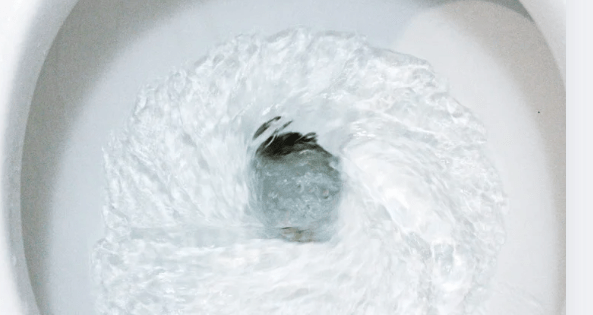
A toilet that flushes weakly — water swirls but does not clear the bowl effectively — is typically caused by partially clogged rim holes under the rim of the toilet bowl, a faulty flapper that closes too quickly and does not allow enough water to enter the bowl during the flush cycle, or a low water level in the tank. Mineral deposits from Brevard County’s hard water supply commonly cause partially clogged rim holes in older toilets, progressively restricting the water flow that produces a strong flush over years of use.
Partial Clogs and Slow Draining
A toilet that drains slowly after flushing, bubbles, or requires multiple flushes to clear has a partial obstruction somewhere in the drain path. The obstruction may be in the toilet trap, in the toilet drain line, or further down in the main drain stack. A toilet plunger clears many partial clogs, but a clog that recurs after plunging, or one accompanied by gurgling in nearby drains, indicates a deeper obstruction in the drain line that requires professional clearing. Our drain cleaning service and residential plumbing team handle toilet drain clearing throughout Brevard County.
When to Replace Instead of Repair
Toilets that are 20 to 25 years old, have recurring problems despite repeated repairs, use significantly more water per flush than current low-flow models, or have developed cracks in the porcelain bowl or tank are candidates for replacement rather than continued repair. The water savings from replacing an older high-flow toilet with a current low-flow model often offset the replacement cost over time, particularly given Brevard County’s water rates. Key indicators that replacement makes more sense than repair include:
- Multiple repairs in the past two years on the same toilet
- Cracks in the porcelain bowl or tank, even hairline cracks that are not yet actively leaking
- A toilet that uses 3.5 or more gallons per flush, compared to the 1.28 gallons per flush of current high-efficiency models
- A toilet that wobbles on the floor flange, indicating a compromised flange that may need replacement alongside the toilet
- Persistent staining or mineral buildup that cleaning cannot address, indicating heavy hard water scale accumulation inside the trap
Conclusion
Most toilet problems in Brevard County homes follow a predictable pattern: a minor symptom appears, gets tolerated for longer than it should, and eventually becomes either a significant repair or an emergency. A running toilet wastes hundreds of gallons daily and accelerates valve seat wear. A leaking wax ring damages subfloor materials over time. A partial clog becomes a full blockage when holiday guests add volume. Addressing toilet problems when they first appear is less expensive, less disruptive, and less damaging than waiting until they force the issue. Certified Plumbing handles toilet repair and replacement throughout Palm Bay, Melbourne, and all of Brevard County with 33 years of local experience and 24/7 availability. Call, visit our residential plumbing page, or contact us online to schedule service.